The Urban Heat Island Effect: Why Cities Are Hotter
2026-04-22
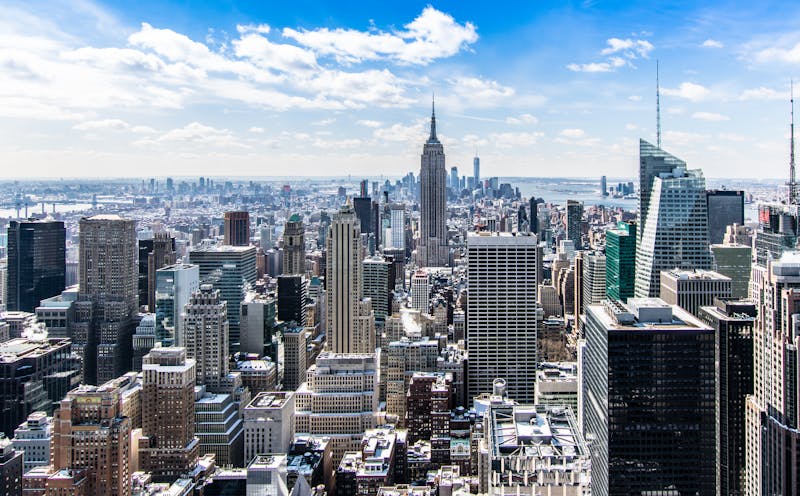
Cities are consistently warmer than their surrounding rural areas, a phenomenon known as the Urban Heat Island (UHI) effect. Concrete, asphalt, and buildings absorb and retain heat during the day, releasing it slowly at night. This can make city centers 2 to 8C warmer than nearby countryside. The effect is amplified by reduced vegetation, which would otherwise provide cooling through evapotranspiration
. Waste heat from vehicles, air conditioning, and industrial processes adds further warming. Large cities like Tokyo, New York, and Beijing experience pronounced UHI effects that impact energy consumption, air quality, and public health. Green roofs, urban forests, reflective building materials, and water features can all mitigate UHI. Some cities, like Singapore, have incorporated cooling strategies into urban planning with measurable success
. Understanding UHI is essential for accurate climate data interpretation and effective urban planning..
Back to Blog